The Unspoken Rituals of Omakase Dining
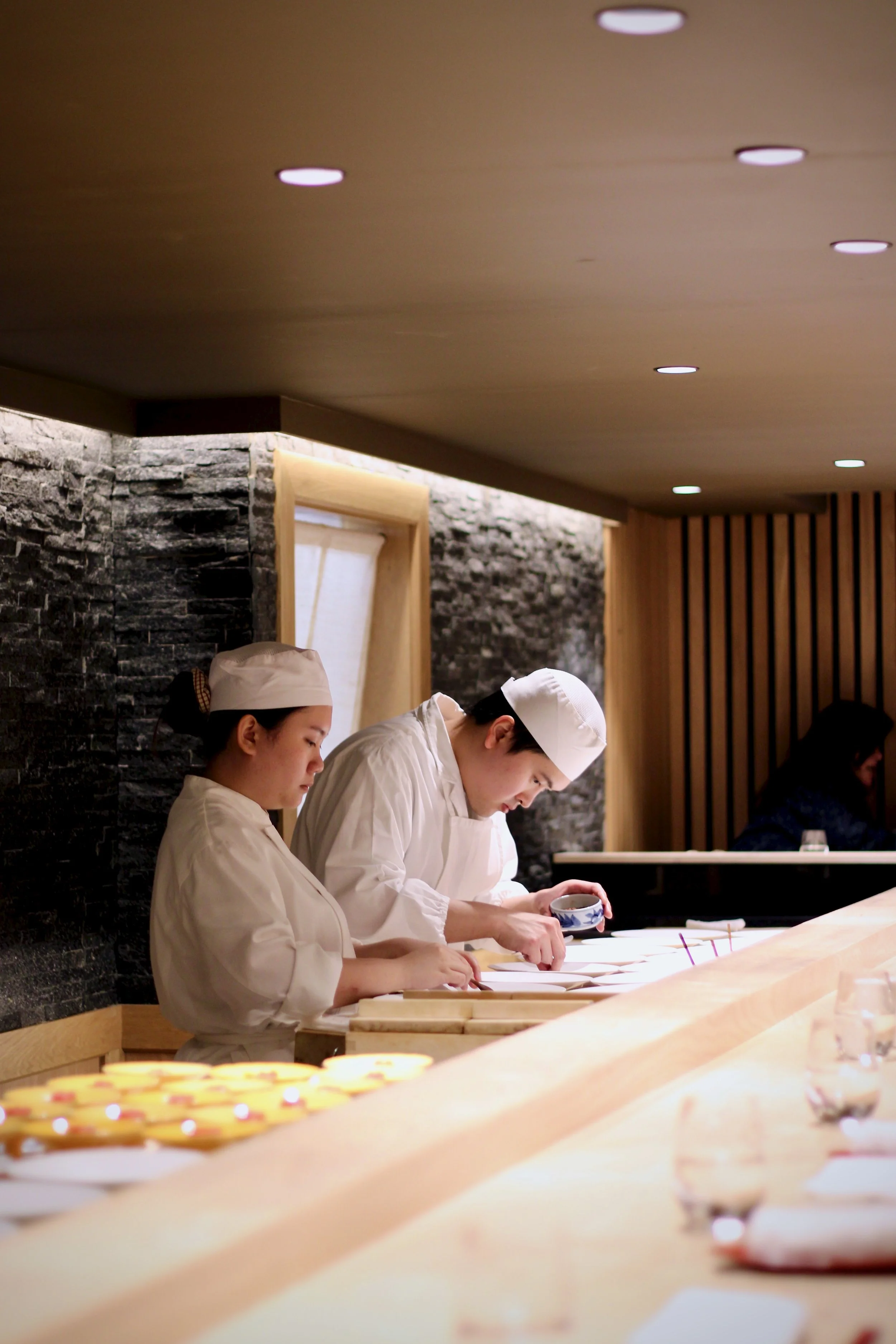
An omakase counter looks calm from the guest side. You see clean movements and quiet service. Behind that calm is a flow that every chef follows. Each gesture supports timing, flavour and hospitality. The rhythm is consistent from the first dish to the final piece of sushi.
The Rhythm of Service
Chefs know the order of the menu before service starts. There is a set flow each day. Plating often begins a few courses ahead to avoid waiting and to keep the meal moving at a natural pace. Cold dishes may be prepared in front of you. Hot dishes are sometimes plated in the kitchen so the temperature stays correct. Every step fits into a sequence that looks simple but takes skill and planning.
Knife work follows the same rhythm. The chef wipes the blade after each cut to keep flavours separate. They change knives when moving between fish or shellfish. Cloths are rotated for hands, boards and tools. These habits keep the counter clean and support precise cutting.
During sushi, the chefs notice small details. Gari is topped up before you need to ask. Any rice that falls onto the counter is cleaned right away. If soy sauce leaves a mark on your plate, it is wiped before the next nigiri is served. You always receive the next piece on a clean surface.
The counter is also adjusted based on observation. If you are left handed, the placement of plates and cutlery shifts so the experience feels natural. If you slow down or speed up, the chef follows your pace. Omakase is timing as much as taste.
The Quiet Conversation
Omakase is not a silent meal. It is a conversation without many words. When a guest does not finish a dish, the team asks how it was. This lets the chef adjust upcoming items. If you mention dislikes at the start, the course changes. A scallop may become lobster. A raw item may become lightly cooked. The aim is to respect your preferences without breaking the flow of the menu.
Chefs also watch how you respond to each bite. These small reactions guide seasoning, temperature and timing. The goal is to serve each piece when the rice and fish are at the right temperature and you are ready for the next bite.
You may see the chef wipe the counter, change a cloth or adjust a tool. These gestures are part of omotenashi. They show attention without drawing focus. The service moves in a quiet pattern that supports the food and your comfort.
This rhythm is what gives omakase its character. Nothing is rushed. Nothing stalls. Every movement leads to your next bite.
Book your counter seat at TAKU to experience omakase service at its best.